THE ADVENTURE COLLECTIVE® · Independent discovery and booking for outdoor travel

Trace Dubai’s arc from creek-side trade to futuristic architecture on a five-hour private tour that pairs the Gold Souk and Al Fahidi with the Burj Al Arab and Museum of the Future. Expect guided context, short walks, and a final Emirati meal.
Trace Dubai’s arc from creek-side trade to futuristic architecture on a five-hour private tour that pairs the Gold Souk and Al Fahidi with the Burj Al Arab and Museum of the Future. Expect guided context, short walks, and a final Emirati meal.
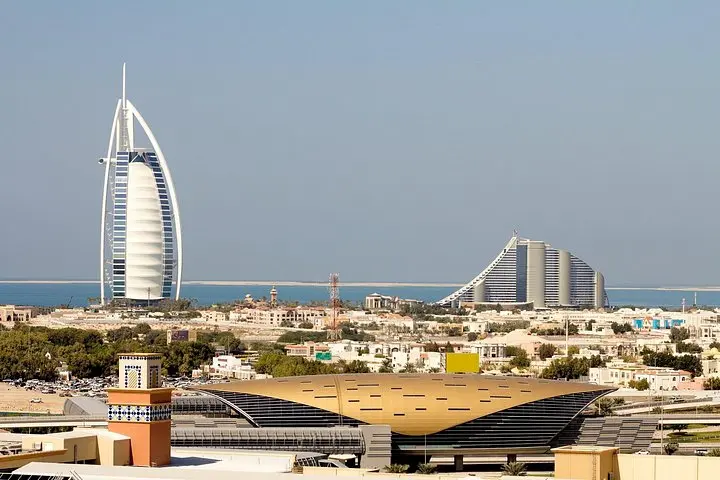
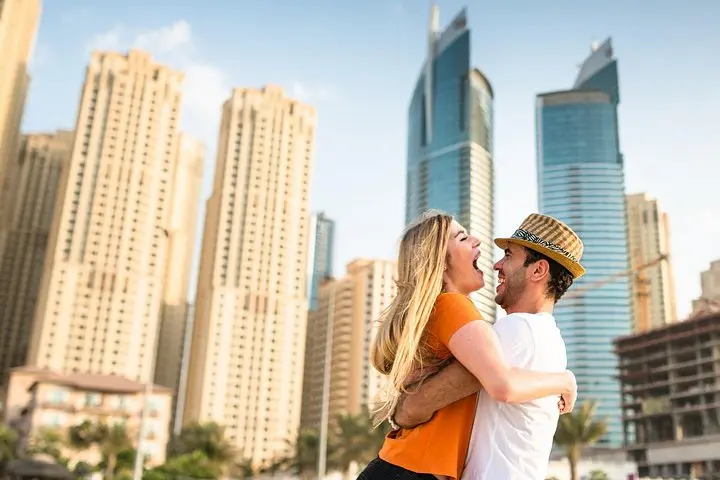
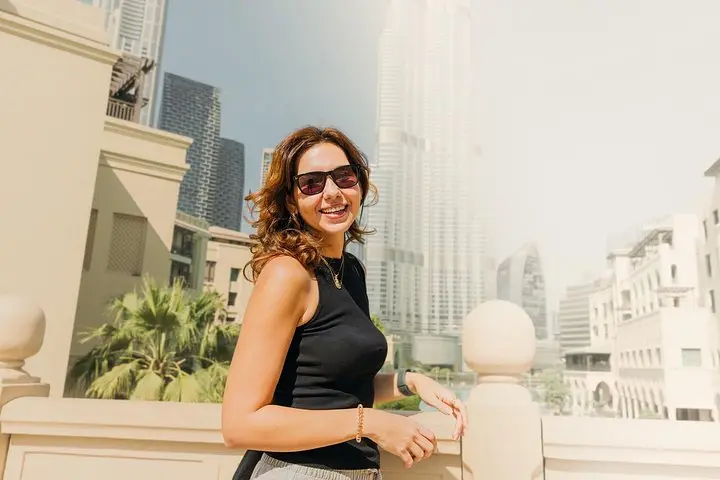
You step from a climate-controlled car into a city of contrasts—salted air at the Creek nudges wooden abras against stone docks while, a short drive away, the Burj Al Arab’s sail silhouette catches the sun like polished metal. The tour threads old trading lanes and showpiece modernity, pulling you between spice-scented souks and stainless-steel futurism.
Verified experiences and guided adventures in the surrounding area.
Operated by Opatrip.com United Arab Emirates · Dubai, Dubai
You step from a climate-controlled car into a city of contrasts—salted air at the Creek nudges wooden abras against stone docks while, a short drive away, the Burj Al Arab’s sail silhouette catches the sun like polished metal. The tour threads old trading lanes and showpiece modernity, pulling you between spice-scented souks and stainless-steel futurism.
Dubai Creek is the city’s original spine, a tidal artery that enabled pearling and trade for centuries; its mangrove-lined estuary and shallow tidal flats shaped settlement patterns long before glass towers defined the skyline. The Burj Al Arab and Museum of the Future represent Dubai’s rapid geological and cultural shift—from a maritime trading port to a global hub of architecture and technology.
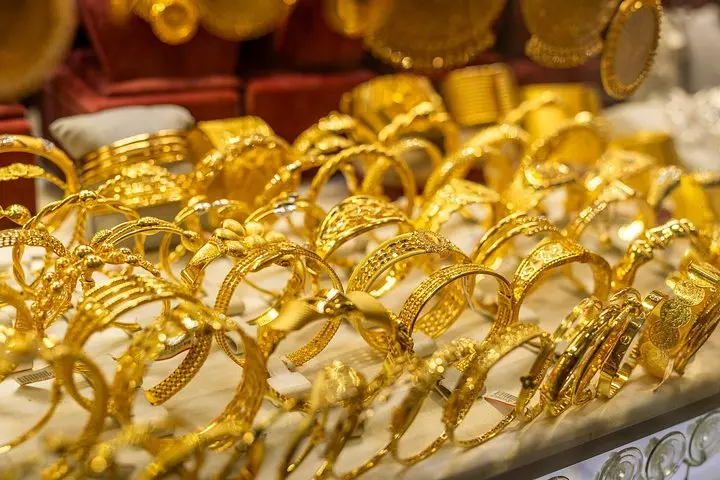
Along the way you’ll encounter Andalusian-inspired mosque architecture at Al Farooq, the feverish glitter of Deira’s Gold Souk, and the intimate lanes of Al Fahidi with low-rise wind-towered houses that recall a quieter past. Local guides translate practice into context: customs around prayer times, gold bargaining etiquette, and the seasonal rhythms that still influence market life.
Practical guidance: expect roughly five hours with hotel pickup and drop-off; most stops are outside views or short walks. Dress respectfully for mosque visits (shoulders and knees covered), bring sunscreen and a refillable water bottle—Dubai’s sun is assertive year-round. Wear comfortable shoes for paved alleys and market stalls; plan morning or late-afternoon slots to avoid midday heat. Cash small bills for market purchases and a camera with a moderate zoom for architectural details. The pace is relaxed but sensory—crowds, fragrances, and an unhurried creek that quietly pulls the city’s history along with it.
Yes—this private tour includes hotel pickup and drop-off within Dubai; confirm your pickup location at booking.
This itinerary features outside visits and market exploration; admissions to paid attractions (if requested) are generally not included—check with the operator before booking.
The pace is relaxed and suitable for most ages, but travelers with serious cardiovascular issues are advised to consult their doctor; there is some walking and standing.
Yes—visitors can shop in the Gold Souk; bring small bills for bargaining and allow extra time if you plan to make purchases.
Opatrip.com United Arab Emirates operates guided outdoor trips and adventures with an emphasis on safety, stewardship, and memorable experiences.
You step from a climate-controlled car into a city of contrasts—salted air at the Creek nudges wooden abras against stone docks while, a short drive away, the Burj Al Arab’s sail silhouette catches the sun like polished metal. The tour threads old trading lanes and showpiece modernity, pulling you between spice-scented souks and stainless-steel futurism.
You step from a climate-controlled car into a city of contrasts—salted air at the Creek nudges wooden abras against stone docks while, a short drive away, the Burj Al Arab’s sail silhouette catches the sun like polished metal. The tour threads old trading lanes and showpiece modernity, pulling you between spice-scented souks and stainless-steel futurism.
Dubai Creek is the city’s original spine, a tidal artery that enabled pearling and trade for centuries; its mangrove-lined estuary and shallow tidal flats shaped settlement patterns long before glass towers defined the skyline. The Burj Al Arab and Museum of the Future represent Dubai’s rapid geological and cultural shift—from a maritime trading port to a global hub of architecture and technology.
Along the way you’ll encounter Andalusian-inspired mosque architecture at Al Farooq, the feverish glitter of Deira’s Gold Souk, and the intimate lanes of Al Fahidi with low-rise wind-towered houses that recall a quieter past. Local guides translate practice into context: customs around prayer times, gold bargaining etiquette, and the seasonal rhythms that still influence market life.
Practical guidance: expect roughly five hours with hotel pickup and drop-off; most stops are outside views or short walks. Dress respectfully for mosque visits (shoulders and knees covered), bring sunscreen and a refillable water bottle—Dubai’s sun is assertive year-round. Wear comfortable shoes for paved alleys and market stalls; plan morning or late-afternoon slots to avoid midday heat. Cash small bills for market purchases and a camera with a moderate zoom for architectural details. The pace is relaxed but sensory—crowds, fragrances, and an unhurried creek that quietly pulls the city’s history along with it.